Center of integral care for women in crisis situations named after Olga Tsipanovska
The first Women’s Center on Staroznesenska St
In 2008 – 2010, the public organization “Narodna dopomoga” conducted a study of the state of homelessness in Lviv. According to its results, at that time there were about 3,000 homeless people on the streets of Lviv, among whom 30% were women.
It is women and women with children who find themselves in difficult life circumstances who are the most vulnerable and unprotected. In order to provide such women with a temporary place of residence and integral care, at the expense of Dutch benefactors, in 2010, in a rented house on the street The Center for Integral Care for Women was created in Staroznesenska.
Over 6 years of activity, about 90 women became clients of the Center, 80% of whom successfully passed the integration program and returned to their usual, not crisis, living conditions. In 2016, the Women’s Center had to be closed, because the premises that were rented for it were sold and demolished for new construction.
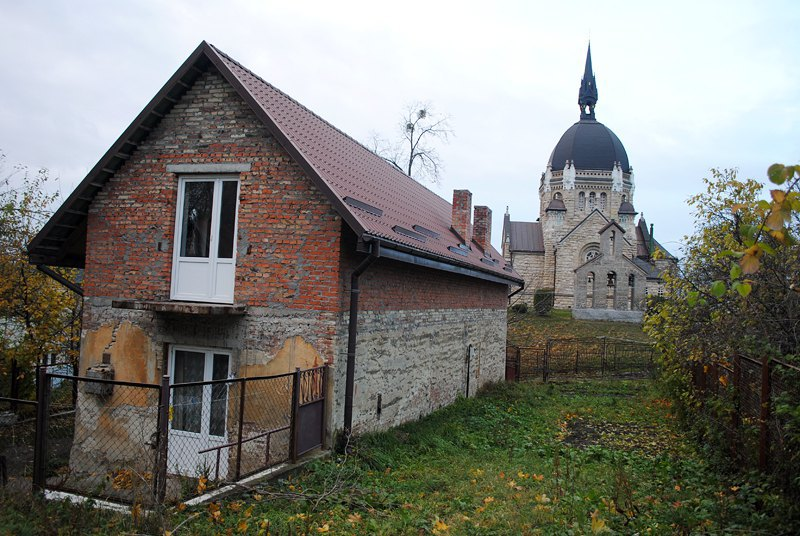
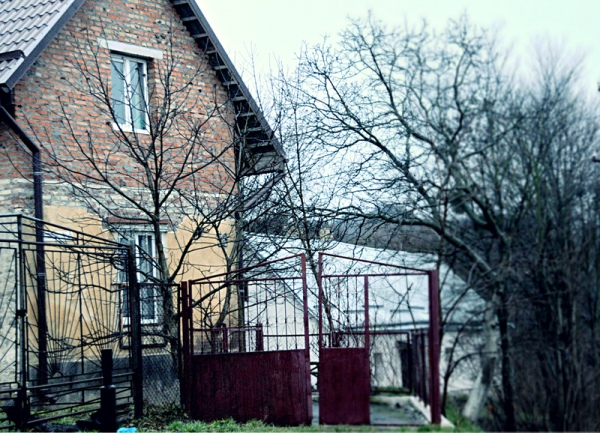
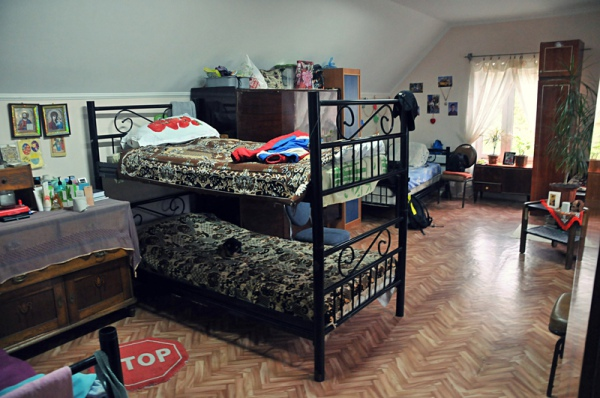
New premises for the Women’s Center
In 2016, the Lviv City Council granted the “Walnut House” Foundation a new premises on a long-term lease for the creation of a Center of Integral Care for Women in Crisis Situations. The premises were in a dilapidated state and needed major repairs.
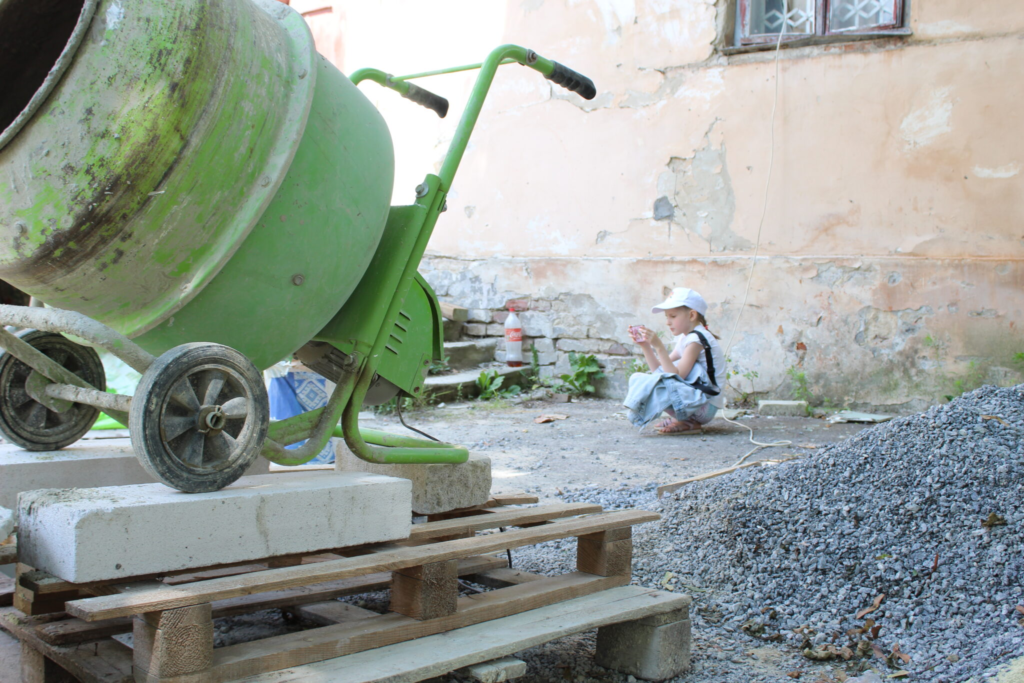
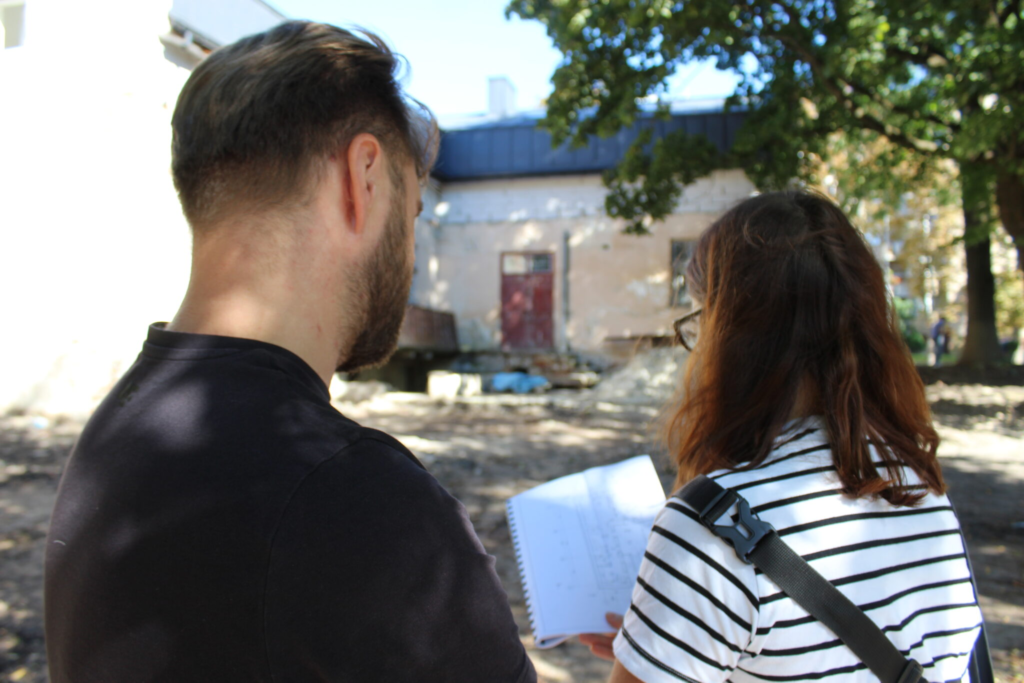
After the preparation and agreement of the project documentation, the long-awaited reconstruction began, thanks to which the house will become a comfortable and safe place for women who find themselves in difficult life circumstances.
Part of the renovation works in the future Women’s Center took place thanks to the support of Regno Italy UA LLC. Donors of the final stage of renovation works and purchases AWO International, Aktion Deutschland Hilft and Volkshilfe Österreich.

What will happen in the Women’s Center named after Olga Tsipanovska?
The center will provide basic social services for women in difficult life circumstances:
- temporary residence for up to 6 months,
- support of a social worker and a psychologist,
- educational, motivational and career guidance programs.
The task of the Center is to provide women with temporary shelter and opportunities to acquire social, psychological and economic self-sufficiency. At the same time, 17 women with children will be able to stay in the Women’s Center.



Presentation of the premises of the Women’s Center to the community
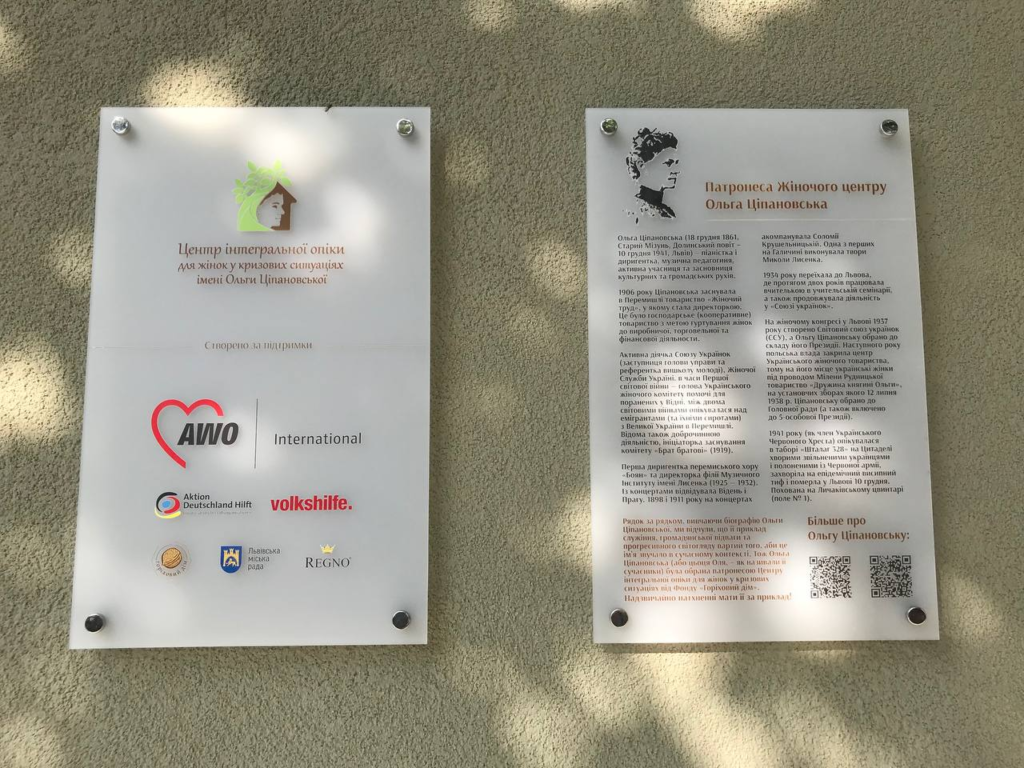
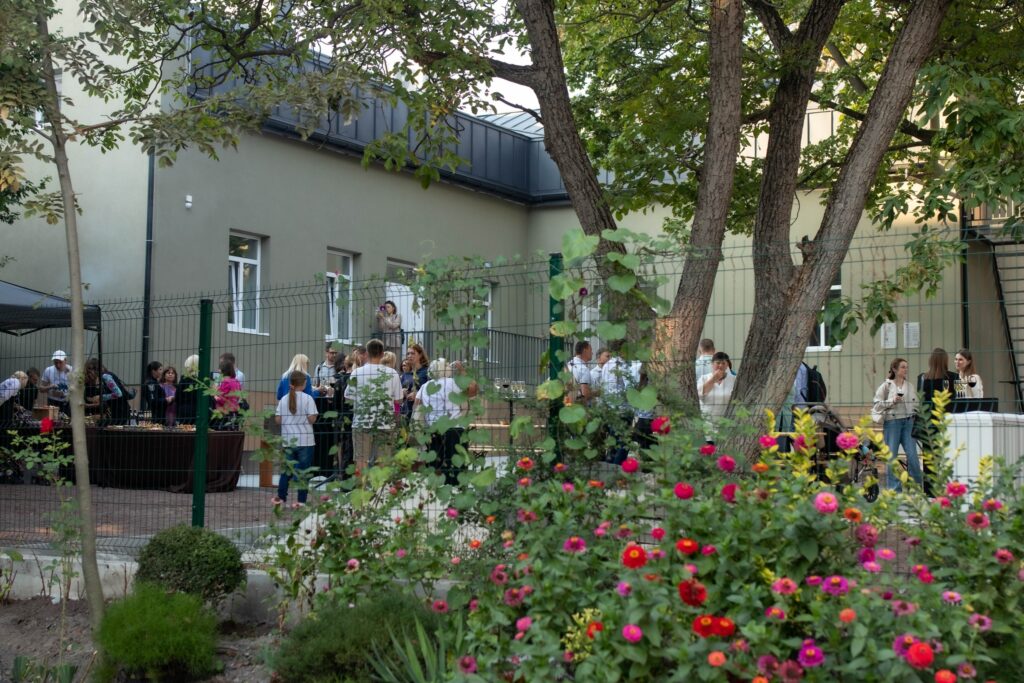
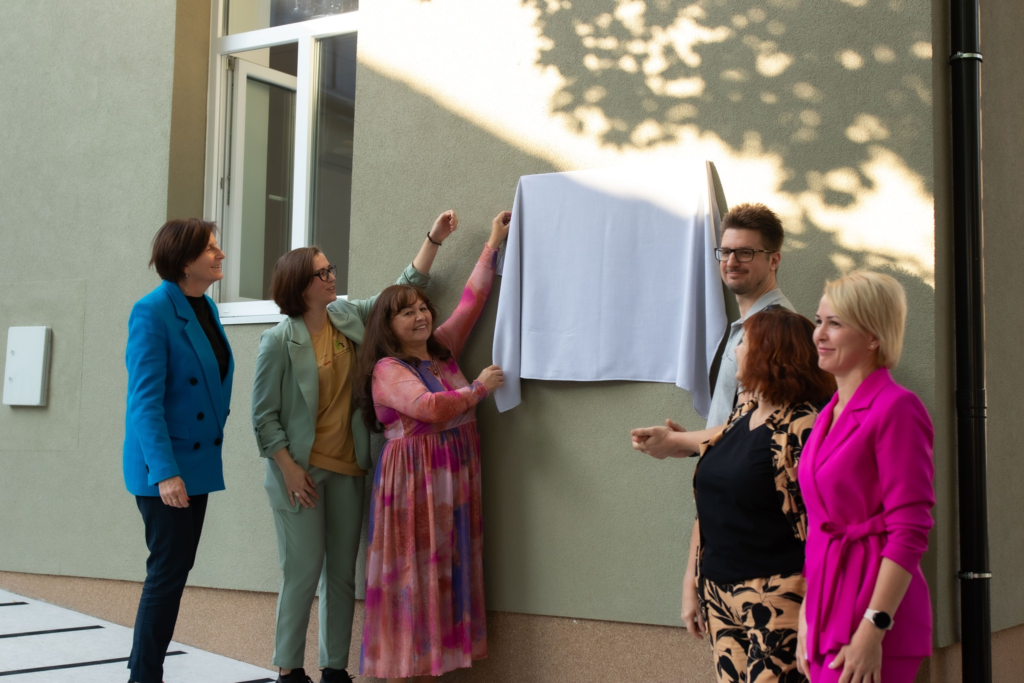
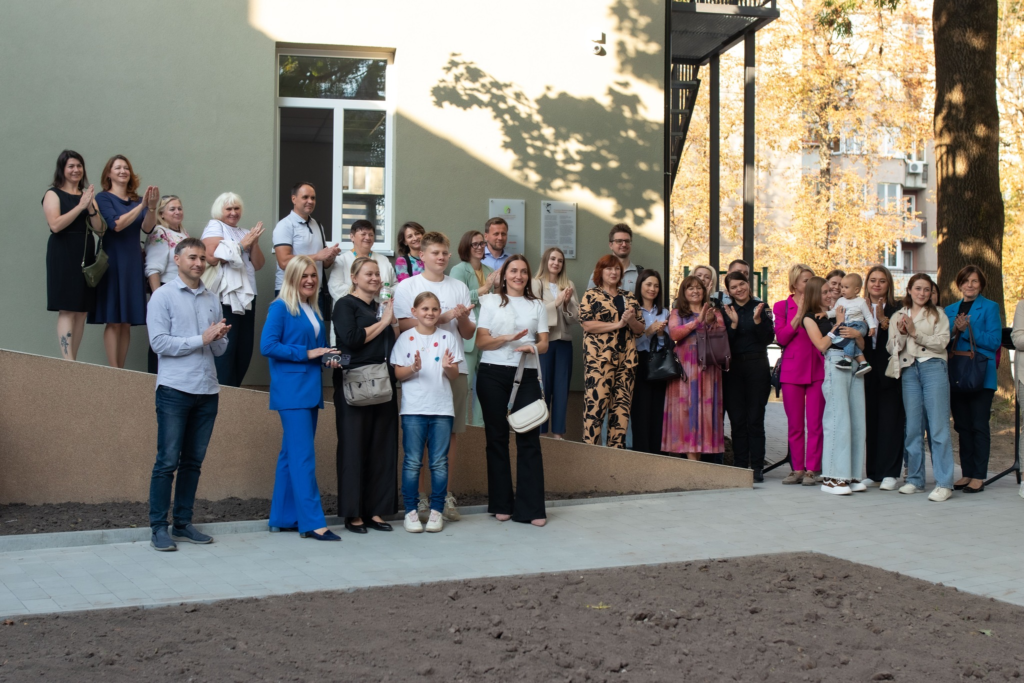
In September 2024, the team of the “Walnut House” Foundation, together with partners and donors, presented to the community of Lviv the Center of Integral Care for Women in Crisis Situations named after Olga Tsipanovska.
Soon, the residents of the Center will be female clients of social services who have suffered from domestic violence or war, have left penitentiary institutions or found themselves in other difficult life circumstances and do not have a permanent place of residence and stable income.
Olga Tsipanovska is the patroness of the Center for Integral Care for Women in Crisis Situations
By naming our Women’s Center after Olga Tsipanovska, we pay tribute to an outstanding compatriot who devoted her life to serving people and the Ukrainian idea, was a pioneer in promoting the idea of female self-sufficiency through professional activity and frugal management of finances.
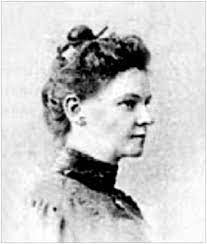
Olga Tsipanovska (1861 – 1941) – Ukrainian pianist and conductor, music teacher, active participant and founder of cultural and public movements (Ukrainian Women’s Union, “Boyan” society, “Brother to Brother” committee, “Women’s Work” society, etc.)
Among the particularly significant episodes of her biography is the creation of the “Women’s Work” society in Przemyśl in 1906. The cooperative society was founded with the aim of uniting women in production, trade and financial activities. The employees of “Women’s Work” were engaged in the production of various items, mainly sewing clothes, and were paid depending on their qualifications and success. The society not only provided an opportunity for women to acquire tailoring skills to gain economic independence, but also aimed to “make them conscious units of their people” — they communicated in the workshop only in Ukrainian. Thanks to the frugal management of funds, the society was able to maintain a scholarship and provide primary education to 20 village girls.
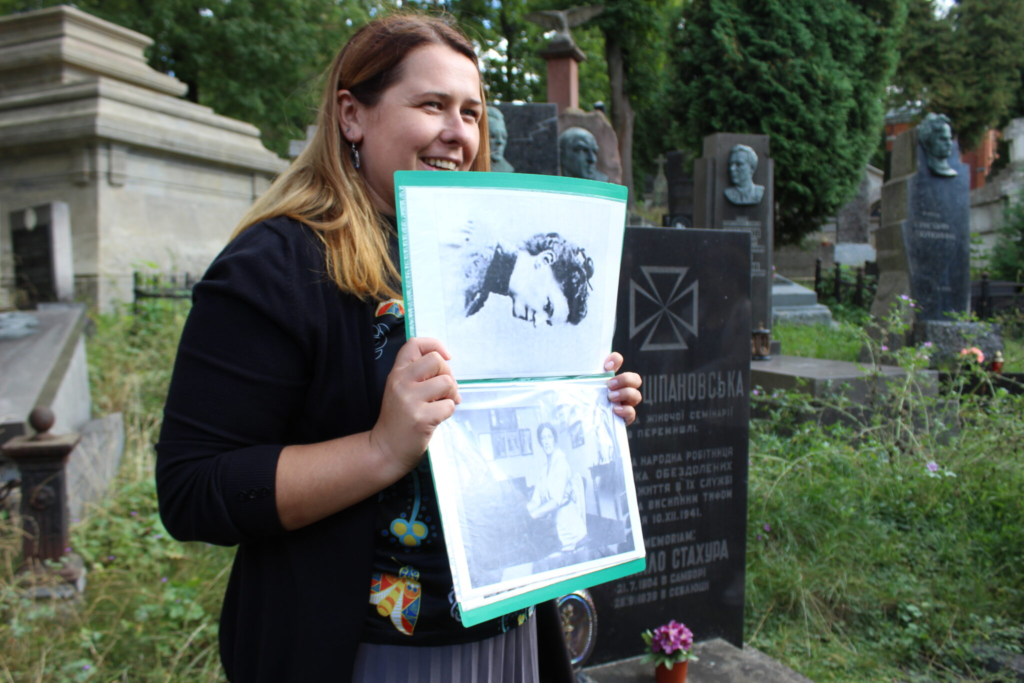
A woman died in 1941 from typhus while caring for the prisoners of the concentration camp “Stalag 328” in the Citadel. Olga Tsipanovska is buried at the Lychakiv cemetery.